
Choosing classroom fidgets and checking whether they help
A fidget can be useful for one pupil and distracting for another. Even the same object may work well during listening time and get in the way during writing. That is why a list of the best fidgets is less helpful than knowing what to look for and how to try one sensibly.
Start with the person and the activity. Are they looking for something to move in their hands while listening? Do they prefer a soft texture? Is the difficulty actually that the chair is uncomfortable or the task needs explaining differently? A fidget is one possible tool, not a replacement for those questions.
Give the trial a clear purpose
Choose one ordinary situation to look at first. For example, you might agree to try a suitable fidget during a short read-aloud activity. Keep the purpose straightforward: can the pupil listen comfortably and take part while using it?
Do not use complete stillness or eye contact as the measure of success. Notice whether the person can engage in the activity in a way that works for them. Ask for their view too. They may be able to explain that one texture feels unpleasant or that a tool helps them wait.
NHS guidance from Children and Family Health Devon includes fiddle objects during listening activities where they do not interfere with learning. This is a reason to consider an individual trial, not evidence that every product marketed as a fidget improves concentration.
Listen to it in a quiet room
Clicks, rattles and squeaks can be much more noticeable during a lesson than in a shop demonstration. Try the actual object in the type of space where it will be used. A sound that the user enjoys may still need a different setting if it interrupts other people.
Check more than the main action. Does it make a noise when placed on a desk? Can pieces drop onto a hard floor? Does it become noisy when used quickly? The answers may change how and when it is offered.
The Mini Cuddle Ball, for example, is soft and tactile but has a bell inside. It may suit a play or sensory activity where that sound is welcome. It should not be chosen on the assumption that a soft fabric item is silent.
Think about the amount of attention it needs
Some objects can be handled without much looking. Others invite building, counting or watching a moving effect. Those can be enjoyable activities in their own right, but may not fit a moment when someone is trying to listen to a story.
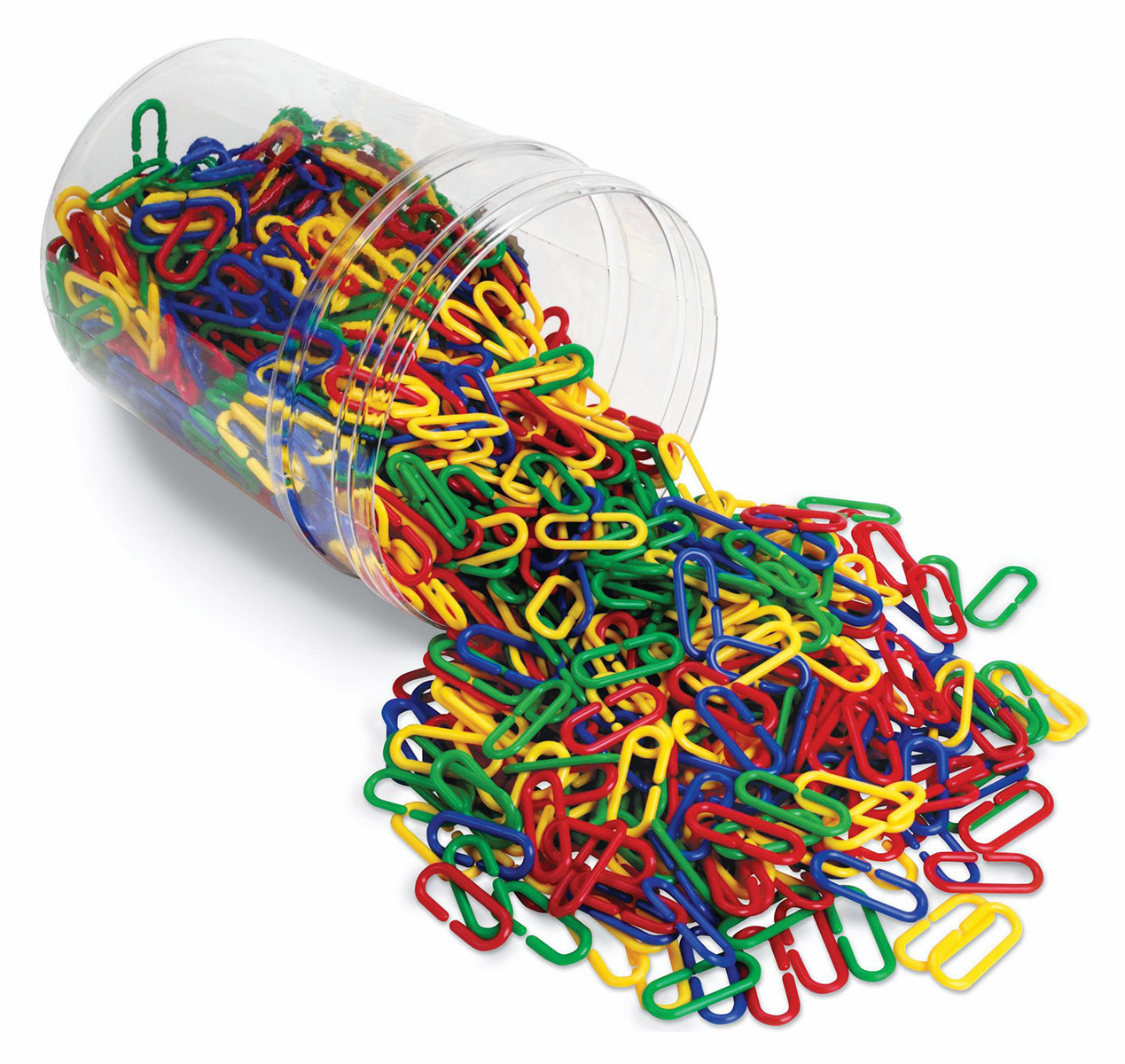
Fidget Links can be handled as a fidget and also used for sorting or counting. Decide which activity you are offering. A large selection of links on the desk may become a construction task when the original intention was something small to handle.
That does not make the product wrong. It may mean it belongs in a different activity, or that a smaller agreed selection is more practical. Check age suitability and small-parts risks, particularly if the person mouths objects. A fidget that is not designed for chewing should not be used as a chew.
Make the everyday details easy
Agree where the item will be kept and how the pupil can access it. If someone has to interrupt a lesson to search a cupboard every time, the arrangement may be difficult to maintain.
A labelled storage place can help, but talk to the pupil about what feels comfortable. They may not want a large, conspicuous box on their desk. Keep personal items separate where hygiene or individual use requires it, and follow the product's cleaning instructions.
Think about transitions between staff. A teaching assistant may understand why the fidget is there while a supply teacher has not been told. A brief, respectful note in the pupil's agreed support information is often more useful than repeatedly explaining the arrangement in front of the class.
Try one change at a time
Where possible, keep the trial focused. If you change the seat, task, adult support and fidget together, it is difficult to know what made the difference. You do not need a formal experiment, but a consistent activity makes the observations easier to discuss.
Use the tool as agreed and stop or change the arrangement if it is uncomfortable, unsafe or distressing. Avoid insisting that a pupil continues because you have bought a product said to be suitable for their diagnosis. Preferences and needs differ.
This short record is enough to start a useful conversation:
- Activity and setting.
- The item offered and how the pupil chose to use it.
- The pupil's view, in their usual way of communicating.
- What staff noticed about comfort and participation.
- Any problem with noise, safety or distraction.
- Whether to keep the arrangement, change it or try something else.
Keep records proportionate and private. They are there to improve support, not to build a behaviour score.
Look beyond the object
If a fidget is not helping, revisit the rest of the situation. Is the seating suitable? Is there too much going on in the pupil's view? Do they need a movement opportunity, a clearer instruction or help with the task itself?
Leeds NHS occupational therapy school resources discuss seating, visual distractions and movement as parts of classroom support. A new object will not correct an uncomfortable workstation on its own.
Work with the SENCO and relevant professionals where difficulties are continuing. Fidgets are not a treatment for ADHD, and they should not be advertised as a guaranteed way to improve learning.
Buying a few useful items beats buying a large assortment
Start with a small number of appropriate choices and learn what is useful before building a bigger collection. Keep the options varied for a reason, such as different textures or ways of handling, rather than choosing several versions of the same action.
When you ask us for product advice, describe the activity, the setting and any important limits such as noise or mouthing. We can help you look at relevant options. The child's experience and the staff observations will tell you whether the chosen item earns its place in the school day.

